The short, sweet, and very satisfying answer is: yes, you absolutely can. For many handy homeowners, installing a window air conditioner is a perfect weekend DIY project. It’s a fantastic way to save on installation costs and gain the confidence that comes with tackling a home comfort project yourself. However, like any DIY task, the key is knowing your limits, having the right tools, and prioritizing safety above all else. Let’s walk through what you need to know to decide if this job is right for you.
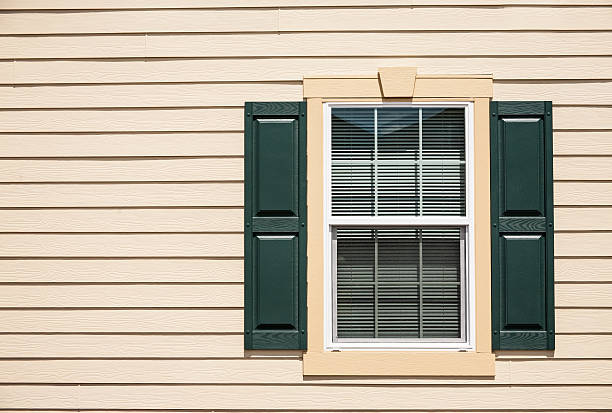
First, let’s talk about the ideal candidate for a DIY installation. If you’re reasonably comfortable with basic tools like a screwdriver and a drill, can follow instructions carefully, and have a standard double-hung or sliding window that’s in good working order, you’re likely in great shape. Most modern window AC units are designed with the DIYer in mind, coming with installation kits that include side curtains, expandable panels, and all the necessary hardware. The process generally involves securing the unit in the window sill, expanding the side panels to fill the gap, and then fastening everything securely so it doesn’t move an inch.Now, we have to address the very important “but.” Your safety and the safety of your home are non-negotiable. A window air conditioner is heavy, awkward, and destined to be perched high above the ground. If your window is on a second story or higher, you must have a secure plan and a helper. Dropping a heavy unit is a danger to you and anyone below, and it will certainly ruin your day and your air conditioner. Furthermore, the unit must be installed securely enough that it cannot fall out of the window. This isn’t just about vibration; it’s about preventing a catastrophic accident. Many DIY guides rightly emphasize using the included locking brackets or even adding your own supplementary support, like a metal bracket or sturdy wood block screwed into the windowsill from underneath.Another crucial consideration is your electrical setup. Window AC units require a lot of power. You must plug your unit directly into a dedicated outlet. Never, ever use an extension cord or a power strip; this is a major fire hazard. The outlet should be grounded (three-prong), and it’s wise to ensure the circuit isn’t already overloaded with other appliances. If your home has older wiring or you’re unsure about the electrical capacity, consulting with an electrician before you even buy the unit is a smart and safe move. It’s the one part of this project where calling a pro is never a bad idea.So, when should you definitely call a professional? Consider it if your windows are non-standard, like casement or awning styles, which require special installation kits and more expertise. If the window frame or sill is rotted or weak, that needs to be repaired first—a job that might be beyond a simple AC install. And as mentioned, if you’re at all uneasy about the electrical requirements or the physical challenge of lifting and securing a heavy unit high up, there’s no shame in hiring help. The cost of professional installation is minor compared to the cost of injury or damage.Ultimately, installing a window AC unit yourself is a very achievable goal for a prepared homeowner. It empowers you to take control of your home’s comfort and puts a little extra money back in your pocket. Gather your tools, recruit a spotter, read the manual from cover to cover before you start, and take it step by step. Work carefully, secure the unit like it’s going to withstand a hurricane, and respect the electrical needs. Do that, and you’ll be rewarded with a cool room and the proud feeling that comes from a job well done. Just remember, knowing when a project is within your skill set is the hallmark of a true DIY expert.