The kitchen countertop is one of the most important surfaces in your home, serving as both a functional workspace and a design focal point. Selecting the right material requires balancing durability, maintenance, aesthetics, and budget to ensure it meets your culinary needs while enhancing the overall look of your kitchen. With options ranging from natural stone to engineered surfaces, each type of countertop offers unique advantages and considerations that can influence your decision.
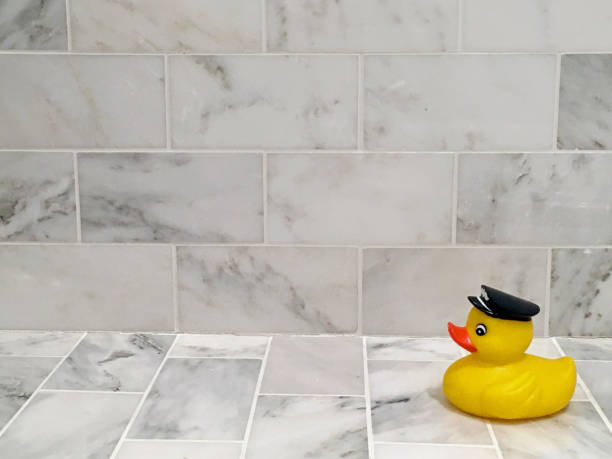
Natural stone countertops, such as granite and marble, bring timeless elegance and unique veining patterns that elevate any kitchen design. Granite is highly durable and heat-resistant, making it ideal for busy cooks, though it requires periodic sealing to prevent stains. Marble offers unmatched sophistication but is more porous and prone to etching from acidic substances like lemon juice or vinegar, making it better suited for bakers who prioritize aesthetics over heavy-duty use. Soapstone and quartzite provide attractive alternatives, with soapstone developing a natural patina over time and quartzite offering granite-like durability with marble-like beauty. Engineered quartz countertops have gained popularity for their consistency, low maintenance, and wide range of colors. Made from crushed quartz mixed with resin, these surfaces resist scratches, stains, and bacteria without needing sealing, making them a practical choice for families. While quartz is highly durable, it can be damaged by excessive heat, requiring the use of trivets for hot pans. Solid surface materials like Corian offer seamless installation and easy repairability, with a uniform appearance that suits modern kitchens, though they are less heat-resistant than stone or quartz. For homeowners seeking an eco-friendly option, recycled glass or concrete countertops provide distinctive character with sustainable appeal. Glass countertops create a sleek, contemporary look and are non-porous, while concrete offers customizable colors and textures, though both require regular sealing to maintain their appearance. Butcher block countertops bring warmth and a rustic charm, perfect for food preparation, but they need frequent oiling to prevent drying and cracking. Stainless steel countertops, often seen in professional kitchens, are hygienic and heatproof but can show scratches and dents over time. Budget and lifestyle play significant roles in the selection process. While high-end materials like marble or quartz may require a larger upfront investment, their longevity and timeless appeal can justify the cost. Alternatively, laminate countertops offer affordability and a wide variety of designs, though they lack the durability of premium materials. Ultimately, the right countertop should align with your cooking habits, maintenance tolerance, and design vision. By weighing the pros and cons of each material, you can choose a surface that not only withstands daily use but also enhances the heart of your home for years to come. Whether you prioritize luxury, practicality, or sustainability, the perfect countertop will blend seamlessly into your kitchen’s functionality and style.