Replacing a shower head is one of the most accessible and rewarding home maintenance projects, offering an instant upgrade to your daily routine without the need for a professional plumber. While the task itself is straightforward, having the correct tools on hand before you begin is the key to a smooth, frustration-free installation that prevents damage to your plumbing. The process requires a modest collection of common household items and one or two specialized tools, ensuring you can tackle the job with confidence and efficiency.
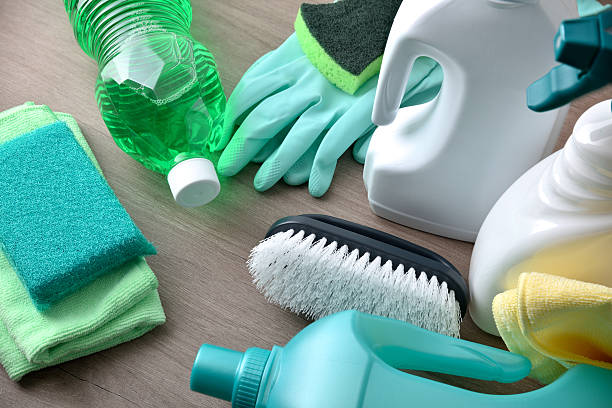
The cornerstone tool for this project is an adjustable wrench, often referred to as a crescent wrench. This versatile tool is indispensable for gripping the hexagonal nut that connects the shower arm to the old shower head. Its adjustable jaw allows it to fit a variety of sizes, making it perfect for this specific application. In lieu of an adjustable wrench, a pair of channel-lock pliers can also be effective. However, to protect the finish of your new shower head and the existing shower arm pipe from scratches and crushing, it is highly advisable to use a second tool for counter-holding. This is where an old rag or a piece of soft cloth becomes essential. Wrapping the cloth around the shower arm or the nut before applying the wrench provides a protective barrier, preventing unsightly marring and preserving the chrome or brushed nickel finish.While many modern shower heads are designed for hand-tightening, years of mineral buildup and tightened fittings often mean the old fixture will be stubborn. For this reason, penetrating oil is a highly recommended preparatory tool. A product like WD-40, applied to the connection point between the old shower head and the shower arm fifteen minutes before you attempt to loosen it, can work wonders. It seeps into the threads, dissolving corrosion and lime scale, which makes turning the wrench significantly easier and reduces the risk of applying excessive force that could damage the plumbing inside the wall. Alongside your wrench and penetrating oil, a roll of plumber’s tape, also known as Teflon tape, is non-negotiable for a proper installation. This thin white tape is wrapped clockwise around the threads of the shower arm before the new head is attached. It creates a watertight seal, preventing leaks at the connection and ensuring a secure fit without the need to overtighten the fixture.Beyond these core items, a few ancillary tools will contribute to a clean and professional result. A small cup or container of white vinegar and an old toothbrush are excellent for pre-installation cleaning. Soaking the end of the shower arm in vinegar helps dissolve any residual mineral deposits, while the toothbrush scrubs the threads clean, providing a smooth surface for the plumber’s tape and new shower head. It is also prudent to have a small bucket or towel placed in the tub beneath your work area. This catches any residual water that may drip from the pipe after the old head is removed, keeping your floor dry. Finally, while not a tool in the traditional sense, the instruction manual that comes with your new shower head is a critical resource. Consulting it provides specific guidance on recommended tightness, washer placement, and any unique steps for your particular model.Ultimately, assembling this simple toolkit transforms a potentially tricky chore into a quick and satisfying DIY success. With an adjustable wrench, protective cloth, penetrating oil, plumber’s tape, and basic cleaning supplies, you are fully equipped to remove an old, inefficient shower head and install a new one that promises a better bathing experience. Taking the time to gather these items before you start ensures the process is measured and effective, safeguarding your home’s plumbing while you achieve a professional-looking upgrade in a matter of minutes.