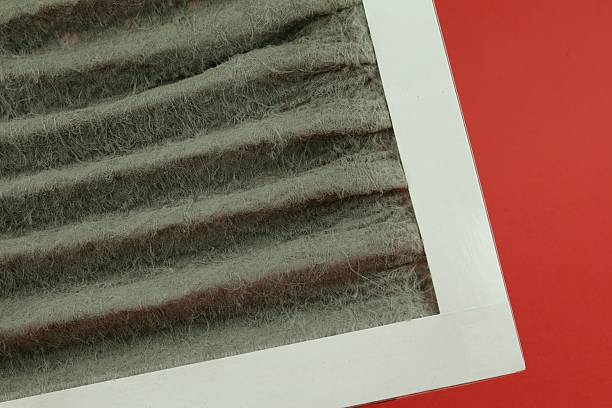
If your home has a forced-air heating system, there’s one small, easy task that makes a huge difference in how well your heater runs and how much you pay on your energy bill. That task is changing your furnace filter. It sounds simple, and it is, but a surprising number of homeowners forget about it or put it off until something goes wrong. Let’s walk through why this little piece of fiberglass or pleated paper matters so much, how to choose the right one, and exactly when you should swap it out.
Think of your furnace filter as a bouncer at a club. Its job is to keep dust, pet hair, pollen, and other airborne junk from getting into the heart of your heating system. When the filter is clean, air flows through it easily, and your furnace doesn’t have to work hard to push warm air into every room. But when that filter gets clogged, it’s like asking your furnace to breathe through a straw stuffed with cotton. The blower motor has to fight against the resistance, which makes it run longer and harder. That extra effort burns more electricity or gas, and it puts unnecessary wear on expensive components. A dirty filter is one of the most common reasons for a heater that runs constantly but still leaves you chilly.Beyond the energy bill, there’s a comfort factor. A plugged filter restricts airflow, so the heated air doesn’t travel as far down the ducts. Rooms farthest from the furnace might never reach the temperature you set on your thermostat. Meanwhile, the system keeps running, trying to satisfy that demand, but it never quite gets there. You end up with cold spots, and you might be tempted to crank the thermostat even higher, which only makes things worse. Changing the filter regularly helps the whole house feel evenly warm without wasting energy.Then there’s the health angle. Your furnace filter also traps dust, mold spores, and pollen that would otherwise circulate through your home. If you or your family suffer from allergies or asthma, a dirty filter can make the air quality worse. When the filter is full, those particles can bypass it and recirculate, landing on your furniture and floating into your lungs. A fresh filter catches them before they become airborne again. So swapping it out is a quick way to breathe easier, especially during the heating season when windows stay closed and indoor air gets stale.Now, how do you choose the right filter? Filters come with a rating called MERV, which stands for Minimum Efficiency Reporting Value. The numbers go from about 1 to 16. Higher numbers catch smaller particles, but they also create more resistance to airflow. For a typical home, a filter with a MERV rating between 8 and 11 provides good balance. You get decent filtration without choking your furnace. Avoid the cheap fiberglass filters with a MERV of 1 or 2. They barely catch anything, and they let dust build up inside your equipment. On the other end, don’t go above MERV 13 unless you have a system specifically designed for it. Those high-efficiency filters can restrict airflow so much that they cause your furnace to overheat and trigger a safety shutdown. Stick with the middle range.When you buy a replacement, take a look at the existing filter first. The size is printed on the cardboard frame. Common sizes are 16x20x1, 20x25x1, or 14x20x1. Make sure you match the dimensions exactly. A filter that’s too small will let air slip around it, and one that’s too big simply won’t fit. Also note the direction of airflow. There’s usually an arrow on the filter frame that should point toward the furnace, not away from it. If you put it in backward, the filter won’t work properly and can even get sucked into the blower.How often should you change it? The standard advice is every one to three months, but your actual schedule depends on your home. If you have pets that shed, change it every month during heavy use. If you live in a dusty area or do a lot of home renovation work, check it more often. A good habit is to look at the filter once a month when you walk past the furnace closet. Hold it up to the light. If you can’t see through it, it’s time for a new one. Some people set a reminder on their phone for the first of every month.Replacing the filter is about as easy as it gets. Turn off your furnace at the thermostat or at the power switch on the unit. Slide the old filter out. Note the direction of the arrow. Slide the new one in with the arrow pointing toward the furnace. Turn the system back on. That’s it. No tools, no mess, and you’ve just saved yourself potential repair bills and kept your home warmer for less money.A final tip: if you notice your heater cycling on and off too frequently, making odd noises, or producing lukewarm air, the filter is the first thing to check. Many service calls for a “broken” furnace turn out to be nothing more than a clogged filter. So before you call a repair technician, take a look. A five-minute swap could save you a hundred-dollar service fee.In short, the humble furnace filter is a tiny part with a big job. Keep it clean, and your heater will run smoother, your energy bills will stay lower, and your home will feel more comfortable all winter long.