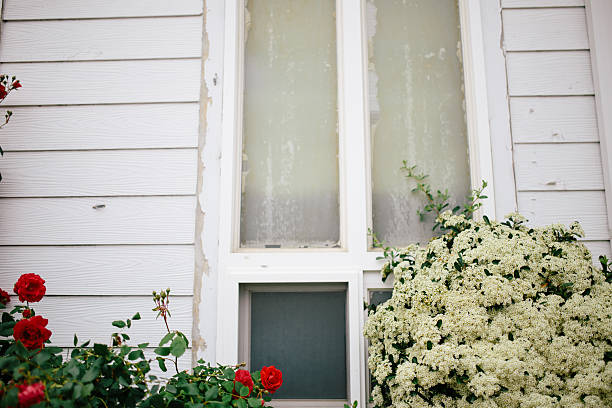
You’ve picked out the perfect windows—maybe some energy-efficient double-hungs to keep summer heat out and winter warmth in, or a big picture window to let in that morning light. Now comes the part that trips up a lot of homeowners: finding someone trustworthy to install them. Good window installation is like a solid foundation for a house; if it’s done poorly, even the best windows will leak air, let in water, and drive up your energy bills. But don’t worry. With a little know-how, you can find a local pro who’ll get the job done right.
The first step is understanding that not every contractor who swings a hammer is a window specialist. You want someone who installs windows regularly, not a general handyman who takes on a window job once a year. Start by asking neighbors, friends, or your local hardware store for recommendations. If you see new windows going into a nearby house and they look sharp, walk over and politely ask the homeowner who did them. Most people are happy to share a good experience. Word of mouth is still one of the most honest ways to find quality work.Once you have a few names, it’s time to check their qualifications. A reputable contractor will be licensed and insured. Licensing requirements vary by state and sometimes by county, so ask to see their license number and verify it online. Insurance is non-negotiable. You want proof of both general liability insurance, which covers damage to your property, and workers’ compensation, which protects you if a worker gets hurt on your property. Without it, you could be on the hook for medical bills or repairs. Don’t be shy about asking for copies. A pro will hand them over without hesitation.Next, look for someone who knows how to handle the quirks of your home’s age and style. Old houses, for example, often have uneven walls or sagging window frames that need shimming and careful adjustments. Newer homes might have standard rough openings, but still require precise sealing and flashing. During an estimate, a good installer will walk around your home, poke their head inside and out, and ask questions about your walls, siding, and insulation. They’ll talk to you about how they plan to handle moisture barriers and trim, not just the window itself. If they rush through the inspection, that’s a red flag.Now, about those estimates. Get at least three written quotes from different contractors. They should include the cost of the windows if you’re buying through them, or just the labor if you bought the windows yourself. Many pros offer both options. Look closely at the line items. A low quote might mean they’re skipping corners like flashing, insulation, or proper caulking. A high quote isn’t automatically better, but it should come with a clear explanation of why—maybe better materials, longer warranty, or extra labor for a tricky roofline. Don’t let price alone make the decision. Ask each contractor what’s included. Do they dispose of old windows? Do they replace interior and exterior trim? Do they handle any necessary repairs to the surrounding wall or siding? The answers can make a big difference in your final cost and satisfaction.Warranties matter too. Windows themselves come with manufacturer warranties, usually ten to twenty years or even lifetime for some brands. But installation warranties are separate. A good contractor will stand behind their work for at least one year, often two or three. They should be willing to put that in writing. If something goes wrong a few months later—like a draft developing or a sash that sticks—you want someone who will come back without charging you another dime. That peace of mind is worth paying for.Before you sign a contract, read the fine print. Make sure the payment schedule is reasonable: typical is a deposit of maybe ten to twenty percent upfront, with the rest due upon completion and your satisfaction. Be wary of anyone who demands a large down payment. Also, clarify the timeline. How long will the installation take? Will they work during certain hours? What about weather delays? A good contractor will give you a realistic timeline and communicate openly if things change.Finally, trust your gut. If a contractor is hard to reach, shows up late without a call, or seems to dodge your questions, move on. The best installers are busy because people trust them, but they still make time to talk to potential clients. They’re proud of their work and happy to show you photos of past jobs or even give you addresses of recent customers you can contact for references. Ask for those references and actually call them. Ask how the crew was on cleanup, how well the windows function a year later, and whether the contractor resolved any issues that came up.Choosing the right window installation contractor isn’t just about getting the job done—it’s about making an investment in your home’s comfort, efficiency, and value. Take your time, ask plenty of questions, and don’t settle for anyone who makes you uncomfortable. When you find that right fit, the windows you love will finally feel like they belong.