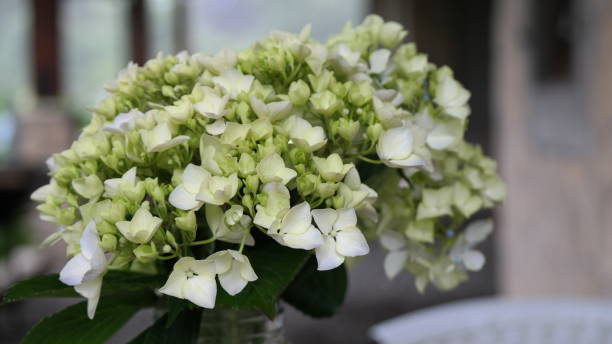
In the world of interior design, artificial plants offer the enduring beauty of foliage without the demanding care of their living counterparts. They stand as silent, verdant sentinels in sunless corners and atop high shelves, bringing a touch of nature to spaces where real plants might falter. Yet, over time, a common adversary settles upon their leaves and petals: dust. This thin, grey film not only dulls their vibrant colors but also betrays their artificiality, transforming a chic decorative element into a forgotten relic. Fortunately, restoring their lifelike luster is not a Herculean task. The best way to clean dusty artificial plants is a gentle, systematic approach that adapts to the material and construction of the foliage, ensuring they look perpetually fresh without sustaining damage.
The foundational step for nearly all artificial plants, regardless of their composition, is a thorough dry dusting. This initial stage removes the loose, surface-level dust and prevents it from turning into a muddy paste when wet methods are introduced. The tools for this are simple yet effective. A soft-bristled paintbrush, a microfiber cloth, or a feather duster are ideal companions. The technique, however, is key. One should start from the top of the plant and work downwards, gently brushing the dust from the stems and along each leaf, following its natural direction. For intricate plants like faux eucalyptus or ferns, a can of compressed air, held at a slight distance, can be invaluable for dislodging dust from tightly clustered leaves and crevices. This dry method alone can often revive a moderately dusty plant, making it a quick and essential weekly or monthly habit.When dry dusting proves insufficient for a deeper accumulation of grime, a careful wet cleaning is the next logical step. However, this is where discernment becomes crucial. First, it is imperative to check if the plant’s colors are bleed-proof by testing a small, inconspicuous area with a damp cloth. Assuming the colors hold, the most universally safe and effective method is the shower rinse. Placing smaller plants directly in the sink or bathtub under a gentle, lukewarm shower spray can work wonders. For larger, floor-standing specimens, a handheld spray bottle filled with clean water is the perfect tool. The goal is to mimic a soft rain, dislodging dust without forceful jets that could misshape leaves or damage glued connections.For persistent dirt or a light oily film that water cannot break, introducing a mild cleaning solution is advisable. A few drops of gentle dish soap or a mixture of equal parts white vinegar and water in a spray bottle creates an effective yet non-abrasive cleaner. The plant should be lightly misted—not soaked—and then wiped clean with a soft microfiber cloth, again following the contour of each leaf. It is vital to avoid harsh chemicals, abrasive scrubbers, or excessive moisture, which can degrade materials, fade dyes, or cause metal stems to rust. After any wet cleaning, proper drying is non-negotiable. Shaking off excess water and allowing the plant to air-dry completely in a well-ventilated space, away from direct sunlight which can also cause fading, is the final, critical step. One can gently pat delicate silk flowers with a towel and use a hairdryer on a cool, low setting to speed up the process for hardier plastic varieties.Ultimately, the best cleaning method is a blend of consistent maintenance and adapted, gentle intervention. By establishing a routine of light dry dusting, one can minimize the need for more involved wet cleanings. When a deeper clean is required, a patient approach that respects the plant’s material—using soft tools, mild solutions, and thorough drying—will ensure that your artificial botanicals continue to provide their intended beauty. This mindful process not only cleans but also preserves, allowing these timeless pieces of decor to maintain their convincing illusion of life for years to come, free from the telltale cloak of dust.