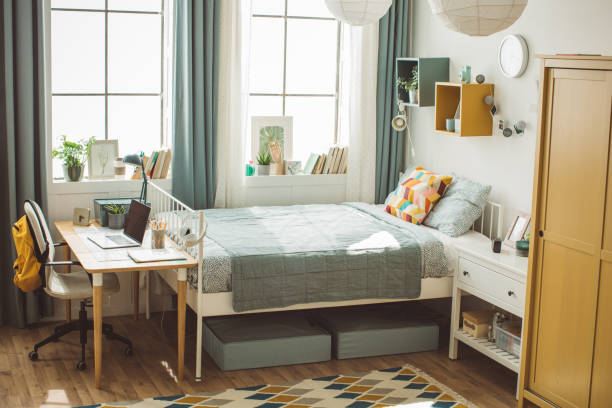
You might think that picking out one set of curtains is enough for your living room, but if you have never tried layering window treatments, you are missing out on a simple way to transform both the look and the feel of a room. Layering curtains and drapes means hanging two or more different types of window coverings on the same window, usually a sheer or lighter curtain underneath a heavier drape on top. This technique is not just for fancy homes or interior designers it is a practical, budget-friendly trick that any homeowner can pull off. Let’s walk through why you might want to give it a try and how to make it work for your space.
First, layering gives you incredible control over light and privacy. A single set of thick blackout drapes can block all sunlight, but sometimes you want a softer glow without the world peeking in. That is where a sheer curtain underneath shines. During the day you can pull back the heavy drapes and let the sheers filter the sunlight, turning harsh rays into a gentle, diffused light that still keeps your room private. At night, close the heavy drapes for full darkness and seclusion. You get two moods from one window without having to swap fabrics or install complicated shades.Another big advantage is energy efficiency. Those extra layers of fabric trap air between the window and the room, creating a buffer that helps keep your home cooler in summer and warmer in winter. Sheers alone do not do much insulating, but when you add a lined or insulated drape on top, the combined effect can reduce drafts and lower your heating and cooling bills. Think of it as giving your windows a cozy blanket. If you live in an older home with drafty windows, layering is one of the easiest improvements you can make without a major renovation.Style wise, layering adds depth and dimension that a single curtain rod just cannot match. Different textures, colors, and patterns work together to create a rich, finished look. For example, a crisp white sheer underneath a velvet drape in a jewel tone gives a glamorous, layered feel without being overly fussy. Or you could go with a subtle linen sheer under a cotton canvas drape for a more casual, rustic vibe. The combination draws the eye and makes the window feel like a focal point instead of just an afterthought. You can also play with tiebacks, valances, or even a contrasting trim on the top drapes to pull the whole thing together.Now, you might worry that layering means you need two separate curtain rods, but that is not always the case. There are double curtain rods available that hold two panels on one bracket, one rod in front of the other. These are easy to install and let you slide each layer independently. If you prefer a more custom look, you can also use a single rod that is deep enough to accommodate two sets of rings or clips, though you might lose some independent movement. Either way, the hardware is straightforward and you can find double rods at any home improvement store for a reasonable price.One tip that many homeowners find helpful is to make sure the bottom layer sheers are just a bit shorter than the top drapes. Sheers that reach the floor while heavy drapes puddle on the floor can look messy, but having the sheers stop an inch or two above the floor, with the drapes hitting the floor or slightly pooling, gives a clean, intentional appearance. Also, consider the rod height. Hanging your rods close to the ceiling, even with layering, makes the room feel taller. If you have a standard 8-foot ceiling, extend the rod a few inches above the window frame and go all the way to the floor for the best effect.Do not feel like you have to use the same color family either. Layering actually invites contrast. A neutral sheer paired with a bold patterned drape can be stunning. Just keep in mind that the top drape will be the star, so choose a sheer that blends or complements rather than competes. And if you are worried about too much fabric, remember that you can always tie back the heavier drapes during the day to show off the sheers and let in more light.Finally, layering is an easy DIY project. You do not need a professional installer or special tools. Measure your window width and add at least a few extra inches on each side so the curtains can stack off the glass. Choose your rods, hang your sheers first, then hang your drapes over them. It takes an afternoon and the result instantly upgrades the whole room. Plus, you can change the look seasonally by swapping out the top drapes for lighter or heavier fabrics as the weather changes.So whether you want better light control, a cozier home, or just a fresh style without a complete renovation, layering curtains and drapes is a smart, friendly way to get there. Try it on one window and you will likely find yourself adding extra rods to every room in the house.