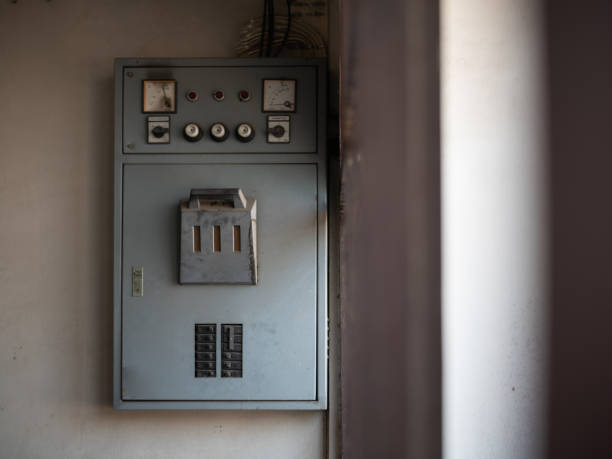
A circuit breaker in your electrical panel serves as a critical safety guardian, designed to automatically shut off power when it detects an overload or a short circuit, thereby preventing fires and damage to your wiring. Under normal operating conditions, a breaker may feel slightly warm, comparable to many other electrical devices, due to the inherent resistance in its internal components as electricity passes through. However, a breaker that is distinctly warm or hot to the touch is a cause for concern and should not be ignored. This warmth is a symptom of an underlying issue that demands prompt attention to ensure the safety and integrity of your home’s electrical system.
The most common reason for a warm breaker is an overloaded circuit. This occurs when the cumulative demand for electricity from all devices and appliances on that single circuit exceeds the amperage rating of the breaker itself. For instance, running a space heater, a vacuum cleaner, and several lamps all on the same 15-amp circuit can push it beyond its limit. The breaker is engineered to handle this by tripping, but if the load is consistently high yet just below the tripping threshold, the breaker will work continuously under stress. This sustained effort generates excessive heat. You may notice the warmth is localized to that specific breaker, and it might be accompanied by the circuit feeling weak or devices not operating at full power. The solution often involves redistricting your plug-in devices to different circuits or, in cases of chronic overloading, consulting an electrician about adding a new dedicated circuit.Another serious culprit is a poor electrical connection, either where the breaker snaps into the panel’s bus bar or at the terminal screw where the circuit wire is attached. Over time, these connections can loosen due to the natural thermal expansion and contraction from daily use, or they may not have been properly tightened during installation. A loose connection increases electrical resistance dramatically. Resistance converts electrical energy into heat, much like the filament in a toaster, leading to a hotspot at the point of the poor connection. This is particularly dangerous because the intense, localized heat can degrade the breaker and the wiring insulation, significantly raising the risk of an electrical fire. A breaker suffering from a bad connection will often be hot at a specific point, potentially even showing signs of discoloration or melting on its plastic casing or on the bus bar behind it.Less frequently, the warmth could stem from a failing breaker itself. Like any mechanical device, circuit breakers have a finite lifespan, typically around 30 to 40 years. Internal components can wear out, become weak, or corrode, causing the breaker to operate inefficiently and generate more heat than normal. A breaker that trips frequently with minimal load, feels hot, or shows any signs of physical damage such as cracking, burning smells, or buzzing sounds, is likely failing and requires immediate replacement by a qualified professional. It is crucial to understand that a warm breaker is a warning sign, not a normal condition. While it may not pose an immediate crisis, it indicates a problem that will likely worsen over time. Ignoring it can lead to a tripped breaker becoming a regular nuisance, damage to expensive appliances, or in the worst case, an electrical fire.Therefore, if you discover a breaker that is consistently warm or hot, the safest course of action is to contact a licensed electrician. They possess the tools and expertise to accurately diagnose the root cause, whether it is an overloaded circuit, a faulty connection, a failing breaker, or even a more complex issue within your home’s wiring. An electrician can then perform the necessary repairs or upgrades, ensuring your electrical system operates safely and efficiently. Addressing a warm breaker promptly is a small investment in protecting your home, your appliances, and most importantly, the well-being of everyone inside it.