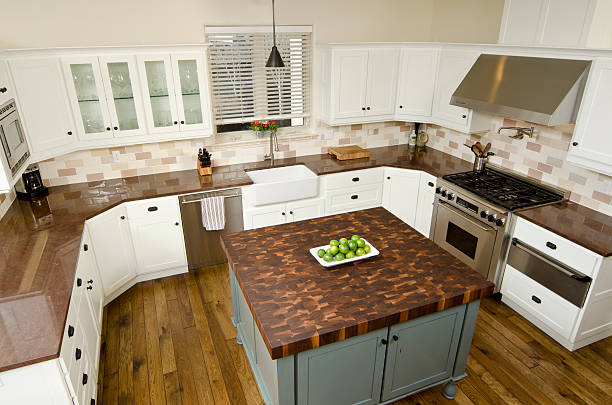
The heart of a home often beats strongest in the kitchen, and a well-crafted island can become its vital centerpiece. For the avid do-it-yourselfer, building this essential feature presents a rewarding challenge, with the choice of material serving as the most critical foundational decision. The best material for a DIY kitchen island is not a single answer but a balance of practicality, aesthetics, and skill level. However, for its unparalleled versatility, workability, and potential for stunning results, hardwood lumber emerges as the premier choice for most ambitious builders.
Hardwood, such as oak, maple, cherry, or walnut, offers a timeless durability that can withstand the daily rigors of a busy kitchen. Unlike softer woods, a properly finished hardwood surface resists dents, scratches, and moisture effectively, promising an island that ages gracefully rather than wearing out quickly. This inherent strength provides a solid base for countertop materials of any weight, from butcher block to stone. Beyond mere function, hardwood brings undeniable warmth and character. The natural grain patterns tell a unique story, and the material can be stained, painted, or simply sealed with a clear coat to match any kitchen style, from rustic farmhouse to sleek contemporary. This adaptability allows the DIYer to create a truly custom piece that feels integral to the home’s design, not a generic addition.The DIY advantage of hardwood lies significantly in its workability. With accessible tools like a circular saw, drill, and sander, a competent builder can cut, assemble, and finish a sturdy hardwood frame and base cabinet. The construction process with wood is forgiving; mistakes can often be filled, sanded, or re-cut without ruining the entire project. This contrasts sharply with materials like metal, which require specialized welding equipment and skills, or pre-fabricated cabinets, which limit design originality. Building with wood allows for complete customization of dimensions, shelf configurations, and decorative details like turned legs or shaker-style paneling, ensuring the island fits the kitchen’s precise spatial and storage needs.While hardwood for the base structure is highly recommended, the countertop surface presents a separate consideration, and here the “best” material diversifies. For a seamless, budget-friendly, and DIY-continuation, a butcher block countertop, often made from maple or walnut, is a magnificent companion to a hardwood base. It can be fabricated by the builder or purchased as a slab, then sanded and oiled to a food-safe finish. For those desiring a more industrial or modern aesthetic, a concrete countertop poured in-place is a challenging but achievable DIY project that pairs dramatically with a wood base. Alternatively, securing a remnant piece of granite or quartz from a supplier offers a professional, low-maintenance surface for the DIYer who prefers to focus their skills on the cabinetry below.It is important to acknowledge other options, which serve as excellent alternatives depending on priorities. Repurposing an old dresser or table is the champion of budget-friendliness and sustainability, offering instant charm with minimal construction. Basic construction-grade softwood, like pine, is easier on the wallet and simpler to cut, though it dents more easily and typically projects a more casual feel. For a purely utilitarian, ultra-modern look, some DIYers successfully combine plywood boxes with metal hairpin legs, though this offers less storage and a lighter presence.Ultimately, the journey of building a kitchen island is as important as the destination. Hardwood lumber stands out as the best primary material because it empowers the DIYer. It provides the perfect intersection of traditional craftsmanship and creative freedom, resulting in a piece that is both deeply functional and personally meaningful. It is a material that rewards skill and patience, not just with a beautiful piece of furniture, but with the profound satisfaction of having built, from the ground up, the new heart of the home. The resulting island will bear not only the meals of family life but also the quiet pride of its maker’s hands.