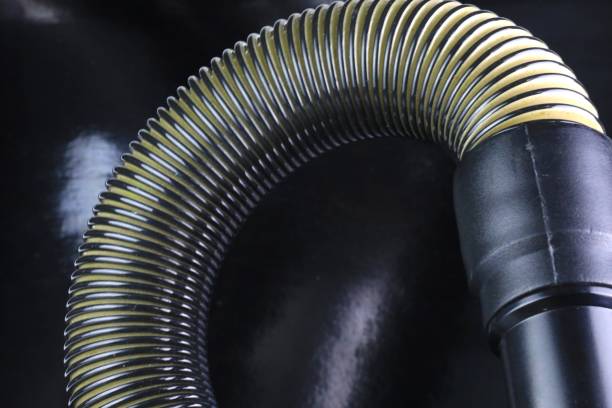
One of the most practical projects involves building a DIY evaporative cooler using basic components for dry climates. A foam cooler, small fan, and PVC pipes transform into an effective cooling unit when filled with ice water. As the fan draws air through the chilled water reservoir, the evaporative process lowers temperatures significantly without the energy consumption of traditional AC units. More advanced versions incorporate solar-powered pumps and cellulose cooling pads for improved efficiency, demonstrating principles of heat exchange through hands-on experimentation.
Window units become significantly more efficient with homemade modifications. Reflective panels crafted from foam board and aluminum foil direct cool air precisely where needed while blocking heat gain. DIY duct extensions made from insulated tubing allow single units to cool multiple rooms when paired with strategically placed booster fans. Some innovators build rolling platforms for window units, creating portable cooling that can be moved to different areas as needed throughout the day. These projects teach valuable lessons about airflow dynamics and insulation principles that apply to various home improvement challenges. Smart home integrations bring outdated AC systems into the digital age. A simple microcontroller like Arduino can be programmed to optimize cooling schedules based on temperature patterns, reducing energy waste. DIY sensors placed around the home provide data for zoning systems that direct cooling only to occupied rooms. Even basic AC units gain voice control capabilities when connected to smart plugs with temperature monitoring, allowing for automated adjustments that maintain comfort while minimizing electricity use. For the mechanically inclined, decommissioned air conditioners offer components for creative repurposing. The compressor and condenser coils from window units can be reconfigured into powerful water chillers for hydroponic systems or home breweries. Small AC fans find new life in custom computer cooling setups or ventilation systems for workshops. Even the sturdy metal cases become durable planters or storage bins when cleaned and painted for outdoor use. These projects require careful attention to electrical safety and proper refrigerant handling when working with existing units. Understanding basic HVAC principles ensures modifications improve rather than hinder performance. The most successful DIY cooling solutions balance innovation with practicality—whether constructing a geothermal cooling loop using buried PVC pipes or simply weatherizing existing units for better efficiency. Beyond immediate temperature relief, air conditioner projects foster appreciation for energy conservation and mechanical systems. The process of building, modifying, or repurposing cooling equipment reveals the fascinating science behind everyday comfort while developing problem-solving skills applicable to numerous household challenges. From makeshift swamp coolers that beat the heat on a budget to sophisticated smart systems that learn household patterns, these DIY endeavors prove that staying cool doesn’t have to mean sacrificing creativity or sustainability. In homes where ingenuity meets necessity, ordinary air conditioners become gateways to innovation—one degree at a time.