The challenge of a small kitchen is a familiar one, where every inch of counter space is precious and the contents of cabinets seem perpetually on the verge of a rebellion. Yet, a compact kitchen, when organized with intention and strategy, can transform from a source of daily frustration into a model of efficiency and even joy. The key lies not in finding more space, but in maximizing what you have through thoughtful principles that prioritize accessibility, clarity, and verticality.
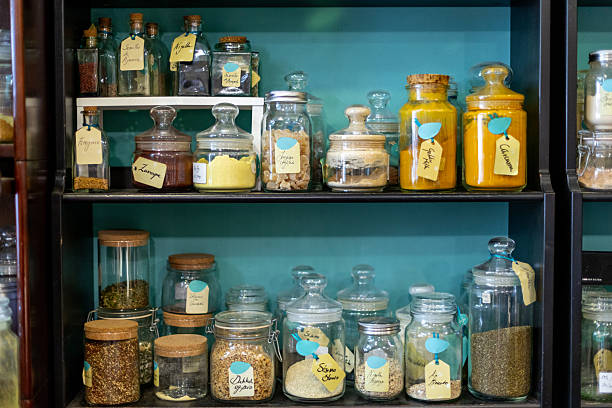
The journey toward an efficient small kitchen begins with a critical and often sobering assessment. This requires removing everything from cabinets and drawers, confronting the accumulated gadgets, duplicate utensils, and expired pantry items. This process of purging is the most crucial step, as it clears the literal and mental clutter. One must adopt a ruthless mindset, keeping only the items that are used regularly, bring genuine joy, or serve an essential, singular purpose. Letting go of the “just in case” items is liberating, as it creates the blank canvas necessary for intelligent organization. Once the keepers are identified, they should be grouped logically by function—all baking supplies together, all pots and pans in one zone, coffee and tea items in another. This creates the foundation for a workflow that makes sense.With categories established, the next phase is to reclaim every possible dimension. Small kitchens often underutilize their vertical potential. Installing shelves on empty walls, using tiered shelf risers inside cabinets, and employing hooks on the sides of cabinets or walls for mugs, utensils, or pots free up invaluable drawer and counter space. The insides of cabinet doors become prime real estate for spice racks, cleaning supply caddies, or measuring cup hooks. Similarly, the space above the refrigerator or upper cabinets can house infrequently used items in attractive baskets. This upward thinking effectively multiplies your storage footprint without expanding the kitchen’s physical boundaries.Efficiency is further honed by ensuring that every item has a designated home based on the rhythm of daily use. This is the principle of “zoning.“ The items you reach for most frequently—everyday dishes, cooking oils, a favorite spatula—should live in the most accessible places, closest to where they are used. Pots and pans are best stored near the stove, perhaps on a hanging rack or in a deep drawer with dividers. Cleaning supplies should reside under the sink, ideally in a pull-out caddy for easy access. By creating these dedicated zones, you minimize unnecessary movement and streamline the process of cooking and cleaning, making the kitchen feel instinctively navigable.Finally, the choice of storage solutions can make a profound difference. Uniform, clear containers for dry goods like pasta, rice, and flour not only look tidy but allow you to see exactly what you have at a glance, preventing over-purchasing. Drawer dividers are indispensable for keeping utensils and cutlery from becoming a jumbled mess, while stackable containers and nesting bowls maximize cabinet space efficiently. For corners and deep cabinets, installing pull-out shelves or lazy Susans brings hidden items into the light, ensuring nothing is forgotten or lost in the abyss. The goal is to eliminate digging and searching, creating a system where retrieval and return are effortless acts.Ultimately, organizing a small kitchen efficiently is an exercise in mindful living. It demands that we be selective about what we bring into the space and creative about how we arrange it. By embracing decluttering, exploiting vertical space, implementing logical zones, and employing smart containers, a small kitchen can shed its limitations. It becomes not a cramped obstacle, but a highly personalized and functional workshop where every tool has its place, and the act of preparing a meal feels like a graceful dance rather than a clumsy struggle. The reward is a kitchen that works harder and smarter, proving that efficiency is not about square footage, but about thoughtful design.