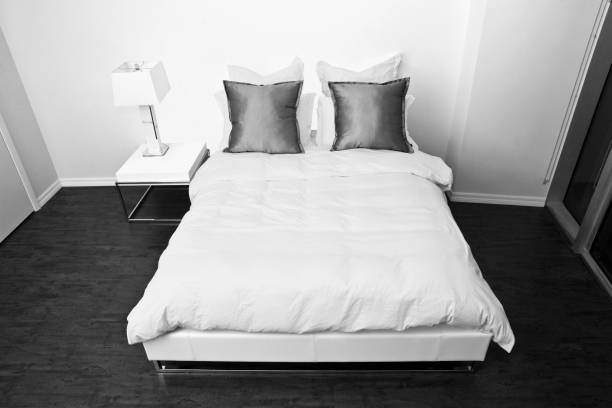
Waking up to a fresh, clean pillow is one of life’s simple pleasures, yet it is often thwarted by the unsightly and unhygienic reality of pillow stains. These blemishes, which range from yellowing to makeup smudges, are not merely cosmetic; they can harbor allergens and bacteria, undermining both the longevity of your bedding and the quality of your rest. Preventing pillow stains is a multifaceted endeavor that hinges on understanding their sources and implementing a proactive, layered defense strategy rooted in smart habits and protective barriers.
The most common culprits behind pillow stains are our own bodies. Nightly, we shed skin cells, sweat, and oils, while saliva and drool can seep through pillowcases. These organic substances break down over time, leading to the characteristic yellow discoloration that plagues many pillows. Furthermore, haircare products, skincare lotions, and makeup residues transfer from our skin and hair onto the fabric, creating greasy or tinted marks. To combat this, a rigorous personal bedtime routine is the first line of defense. Thoroughly cleansing your face to remove makeup, sunscreen, and moisturizers is essential. Similarly, allowing haircare treatments like oils or styling products to fully absorb or dry before lying down can drastically reduce their transfer. For those prone to night sweats or drooling, this natural bodily process requires a more tactical approach.This is where the strategic use of barriers becomes paramount. The most effective tool in your arsenal is the humble pillow protector, a item often overlooked in favor of the aesthetic pillowcase. A high-quality, zippered pillow protector made from a waterproof or water-resistant yet breathable material acts as an impermeable shield for the pillow itself. It stops sweat, oils, and moisture from penetrating the pillow’s core, where they are impossible to remove. Over this protector, you should layer a pillowcase made of natural, tightly-woven fibers like cotton or bamboo, which are more absorbent and easier to launder than synthetic blends. For added security, consider using two pillowcases—a practical inner one and a decorative outer one—doubling the protection and simplifying maintenance, as the inner layer can be washed even more frequently.Regular and proper laundering forms the cornerstone of stain prevention. Pillowcases and pillow protectors should be washed at least once a week in hot water, if the fabric care labels allow, to effectively break down oils and eliminate bacteria. It is crucial to treat any stains promptly rather than allowing them to set over multiple nights. A pre-wash stain remover or a simple paste of baking soda and water applied directly to fresh stains before laundering can work wonders. Importantly, the pillows themselves also require care. Even with protectors, pillows should be washed according to their care instructions once or twice a year. Most synthetic and down-alternative pillows can be machine-washed, which helps rinse away any accumulated debris and refresh their appearance.Finally, environmental and storage considerations play a supporting role. Ensuring your bedroom is well-ventilated and kept at a cool temperature can minimize excessive sweating. When not in use, pillows should not be stored in damp or humid areas like basements, as this can promote mildew, a deeply stubborn and damaging stain. Fluffing your pillows daily helps to aerate the filling and prevent material from clumping in areas that might retain moisture. By viewing pillow care as an integrated system—combining personal hygiene, protective layers, diligent cleaning, and a mindful environment—you can effectively break the cycle of stain formation. The result is not only a pristine sleeping surface that enhances the visual appeal of your sanctuary but also a cleaner, healthier foundation for your nightly repose, ensuring that your investment in good sleep is protected night after night.