Let’s talk about the air in your home. It’s easy to forget about, but the truth is, the air inside our houses can sometimes be more polluted than the air outside. From dust and pet dander to cooking fumes and chemicals from cleaners, a lot can be floating around. The good news? You don’t need expensive gadgets or a science degree to breathe easier. With a few natural and thoughtful habits, you can significantly improve your indoor air quality and create a healthier, fresher living space for you and your family.
The most powerful tool you have is also the simplest: opening your windows. It sounds almost too easy, but regularly airing out your home is incredibly effective. Aim for a good cross-breeze for just ten to fifteen minutes a day, even in colder weather. This simple act flushes out stale, stagnant air and dilutes the concentration of indoor pollutants, bringing in fresh outdoor air. Make it part of your morning routine—while you’re brewing coffee, crack a few windows and let your house take a deep breath.
Next, consider inviting some leafy friends inside. Houseplants do more than just look pretty; they are nature’s gentle air purifiers. Through their natural processes, plants can absorb certain volatile organic compounds (VOCs) and release clean oxygen. Some particularly good air-cleaning choices include spider plants, snake plants, peace lilies, and English ivy. You don’t need a jungle—just a few well-placed plants in main living areas and bedrooms can make a noticeable difference. Just remember to avoid overwatering, as damp soil can encourage mold.
Speaking of mold and moisture, controlling humidity is a secret weapon for clean air. Aim to keep your home’s humidity level between 30% and 50%. You can use a simple hygrometer, available at most hardware stores, to keep track. In damp areas like bathrooms and basements, run exhaust fans during and after showers. For a whole-house approach, a dehumidifier can work wonders in muggy months. Conversely, in very dry winter air, a humidifier can help, but be sure to clean it regularly to prevent bacteria and mold from becoming an air quality problem themselves.
Your cleaning habits play a huge role, too. When you dust, use a microfiber cloth dampened with water, which traps particles instead of just sending them flying back into the air. For floors, a vacuum with a HEPA filter is a great investment, as it captures the finest particles instead of redistributing them. When it comes to what you clean with, take a look under your sink. Many conventional cleaners are packed with strong chemicals that evaporate into your air. You can easily make effective, fresh-smelling cleaners using natural ingredients like white vinegar, baking soda, lemon juice, and essential oils. Your nose—and your lungs—will thank you.
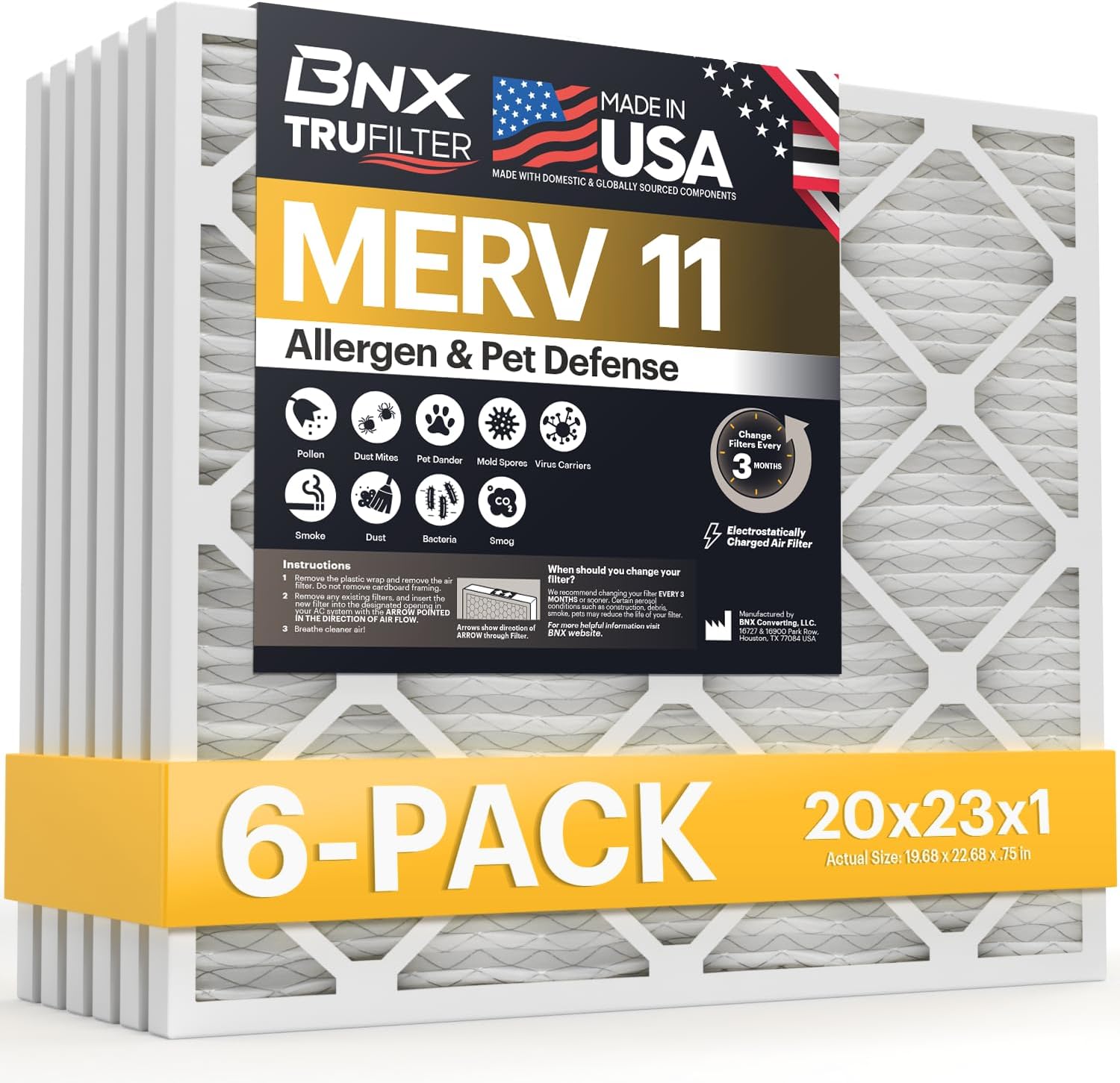
Finally, don’t overlook the small, consistent habits. Take off your shoes at the door to prevent tracking in pesticides, pollen, and dirt. Regularly wash bedding and soft furnishings where allergens love to hide. Be mindful of what you bring into your home; opt for solid wood furniture over pressed wood when possible, as the latter can off-gas chemicals, and choose natural fiber rugs over synthetic ones. And never underestimate the power of a clean filter—change your furnace and air conditioning filters as recommended, usually every one to three months.
Improving your indoor air quality naturally isn’t about one big fix; it’s about weaving these sensible, gentle practices into the rhythm of your home life. By welcoming fresh air, embracing nature’s helpers, managing moisture, and choosing cleaner habits, you create an environment that simply feels better. You’ll notice a new freshness, a lighter feeling in your rooms, and the peace of mind that comes from knowing your home is a truly healthy haven.
9 months ago