







Outdoor Power & Equipment

Can I Fix a Small Dent or Scratch on My Car Myself?

Can I Fix a Small Dent or Scratch on My Car Myself?

The discovery of a new dent or scratch on your car can feel like a personal affront, a blemish on both your vehicle and ...

Read More →
Understanding Car Overheating: Common Causes and Practical Solutions

Understanding Car Overheating: Common Causes and Practical Solutions

Few moments in driving are as anxiety-inducing as watching your car’s temperature gauge climb into the red or seeing s...

Read More →
Powering Independence: DIY Generator Projects for Home Preparedness

Powering Independence: DIY Generator Projects for Home Preparedness

In an era of increasing power grid instability and extreme weather events, generators have transitioned from luxury item...

Read More →
Can I Really Do My Own Wheel Alignment at Home?

Can I Really Do My Own Wheel Alignment at Home?

Read More →
The Art of the Invisible Repair: Mending Small Dents and Scratches

The Art of the Invisible Repair: Mending Small Dents and Scratches

In the life of any cherished object, be it a car, an appliance, or a piece of furniture, the arrival of the first small ...

Read More →
How to Jump Start a Car Battery Without Damaging Your Vehicle

How to Jump Start a Car Battery Without Damaging Your Vehicle

There you are, coffee in hand, ready to head to work when you turn the key and hear nothing but a sad clicking sound—o...

Read More →
Wet and Dry Vacuums for Your Home

Wet and Dry Vacuums for Your Home

A wet and dry vacuum is a versatile cleaning tool that can handle everything from spilled liquids to stubborn debris, ma...

Read More →
Outdoor Power Equipment for Your Home

Outdoor Power Equipment for Your Home

Maintaining a beautiful and functional outdoor space requires the right power equipment, whether you're mowing the lawn,...

Read More →
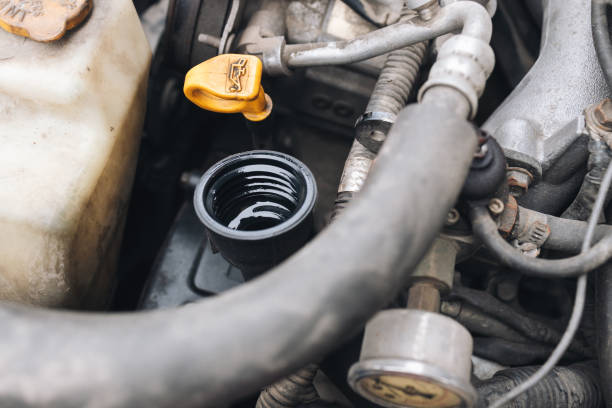
How to Change Your Car’s Oil Yourself (and Save Money)

How to Change Your Car’s Oil Yourself (and Save Money)

If you’ve ever paid a mechanic over a hundred dollars for an oil change, you know that feeling of watching your hard-e...

Read More →
The Truth About How Often to Change Your Car’s Oil

The Truth About How Often to Change Your Car’s Oil

For generations, the rule of thumb was simple: change your car’s oil every 3,000 miles. This mantra was drummed into d...

Read More →
Unleashing the Power of Pressure Washers: Creative DIY Projects for Your Home

Unleashing the Power of Pressure Washers: Creative DIY Projects for Your Home

Pressure washers are often seen as simple cleaning tools, but their high-powered spray can be harnessed for a variety of...

Read More →
The Essential Guide to Properly Checking Your Tire Pressure

The Essential Guide to Properly Checking Your Tire Pressure

Maintaining correct tire pressure is a fundamental yet often overlooked aspect of vehicle ownership, crucial for safety,...

Read More →
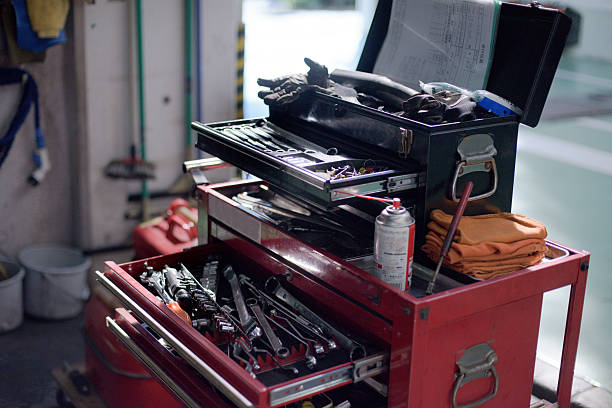
Essential Tools for the Aspiring Home Mechanic

Essential Tools for the Aspiring Home Mechanic

The prospect of working on your own car at home is equal parts empowering and intimidating. The satisfaction of a succes...

Read More →
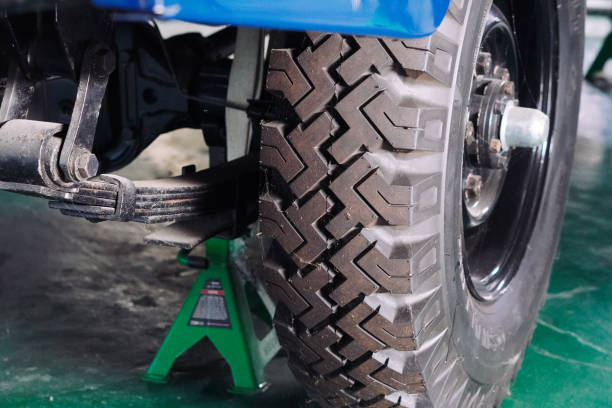
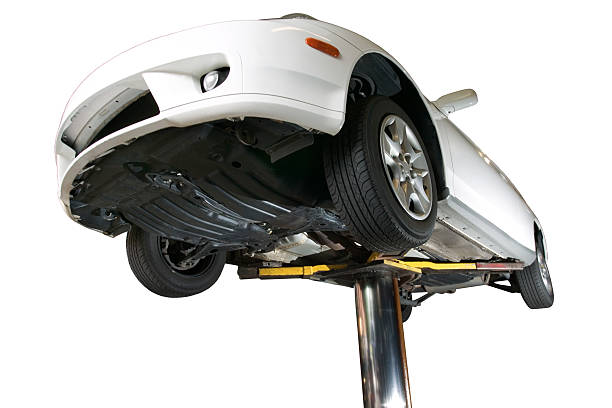
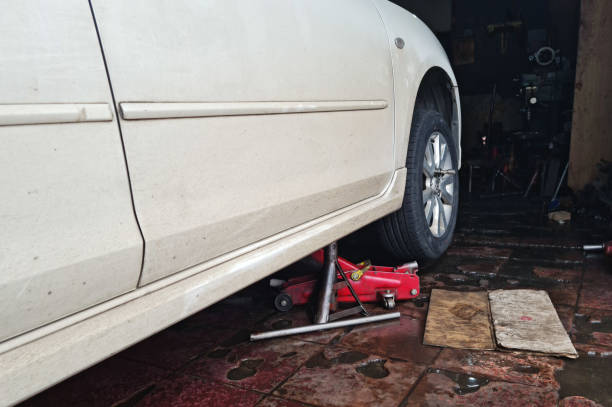
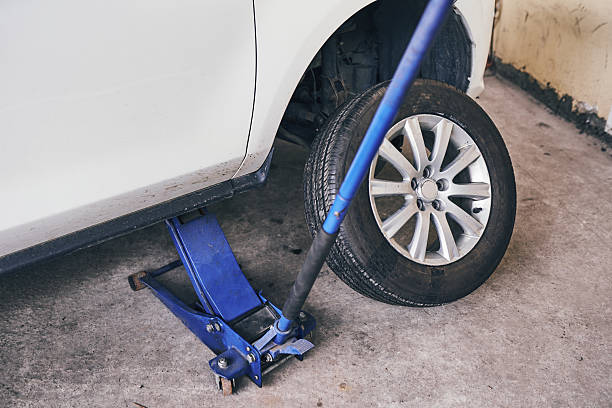
The Essential Guide to Safely Jacking Up Your Car at Home

The Essential Guide to Safely Jacking Up Your Car at Home

Lifting your vehicle at home is a fundamental skill for any DIY mechanic, enabling tasks from tire rotations to brake in...

Read More →
A Friendly Guide to Changing a Flat Tire

A Friendly Guide to Changing a Flat Tire

Let’s face it, getting a flat tire is one of those frustrating moments that always seems to happen at the worst possib...

Read More →
FAQ

Find answers to the most common questions about outdoor power & equipment.

Outdoor Power & Equipment

Standard bar carts are 36–42 inches tall for easy access while serving. Match the height to your countertops or dining table for seamless use.

Include jumper cables, a flashlight, tire sealant, basic tools, and first-aid supplies.

Order a model-specific replacement part online, or repurpose a heatproof glass carafe that fits (test for stability).

Yes! Set the multimeter to DC voltage (20V range). A healthy battery reads 12.6V+ when off, 13.7–14.7V when running.

© 2026 RepairHome. All Rights Reserved.